
In hindsight, I probably should have seen it coming.
In fairness: when I started writing what would become my debut novel, The Blacksmith’s Bride, publication was not even a gleam in my eye – at least, not publication for this book.
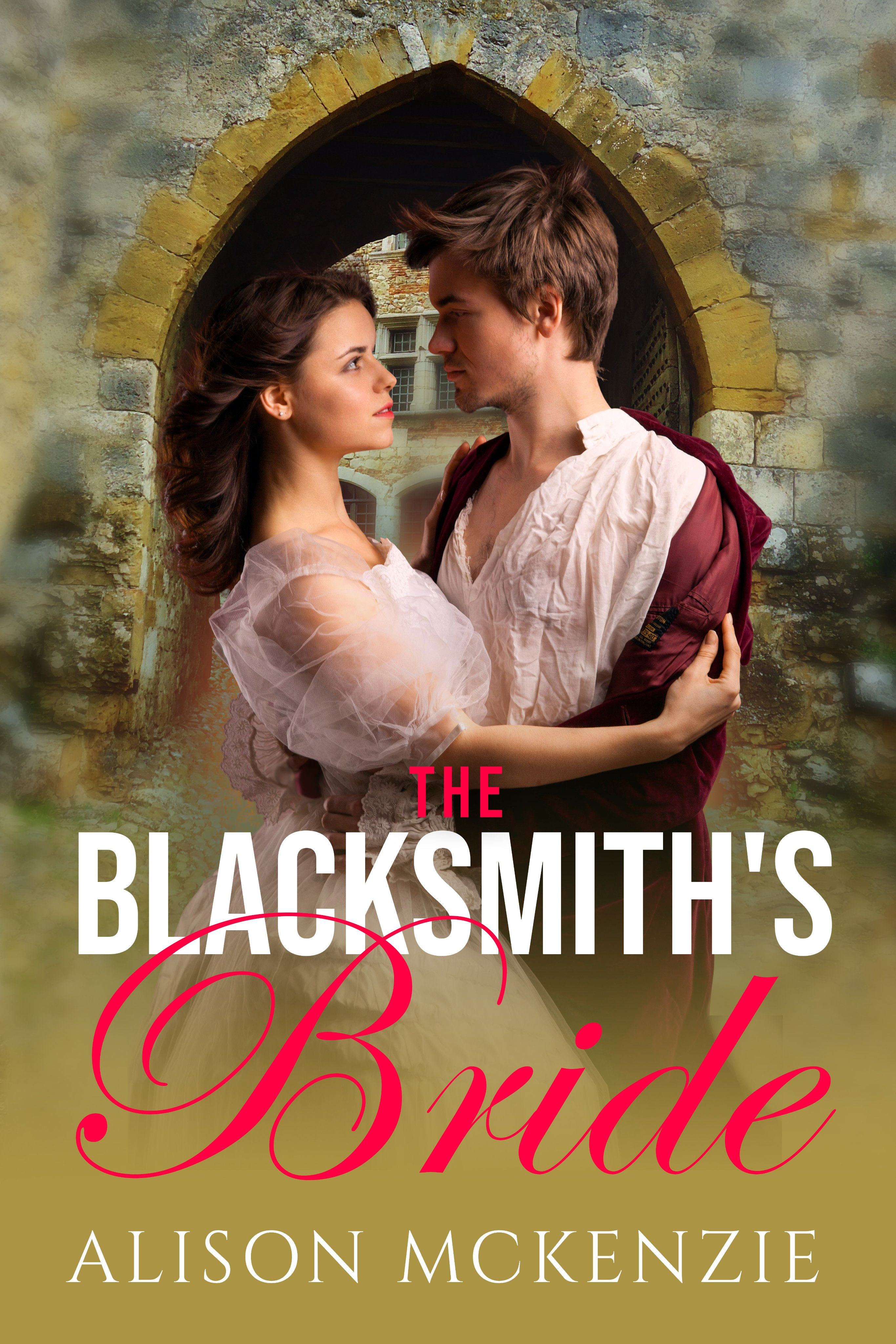
I’ve written and published SFF/horror short stories and articles before, but I’d never tried my hand at a romance novel. I’d read lots of romance novels, but the idea of writing one had simply never occurred to me. But it was January 2021, I’d just finished my library school degree in time to graduate into a COVID economy, and I figured – well, what have I got to lose? Why not sit down and write about these characters who have been bouncing around in my head since high school?
So I did. And I had a fantastic time. And I thought to myself afterwards, reading over the manuscript – why not polish it and submit it for publication? What’s the worst that could happen? I knew I’d written something good – I sent it out to beta readers, and they confirmed. And I loved my characters so much, I wanted to introduce them to the world. So I did several rounds of editing, and dove into the querying process.
I ran up against a fair number of form rejections, which I’d expected. I even got a couple of full requests that then ended in form rejections, which – hey, it happens. But then I got the response that stopped me cold. An agent who had requested the full manuscript wrote back to say that they’d really loved reading the story, but: “This genre tends to be about lords and ladies. I’m not sure I can sell a book that doesn’t have that.”
Wait. What?
See, The Blacksmith’s Bride is a historical romance novel. It takes place in medieval England, in 1383. And the main characters are not, in fact, lords and ladies. They’re not even middle-class. They’re peasants, subsistence farmers who depend on the goodwill of the lord of the manor for their livelihood and housing. A big part of the novel’s conflict is over duty vs. desire, and whether it’s better to accept the status quo or fight to change it.
Is it worth taking the risk, knowing that you might get hurt, or should you stay put where you’ll never be happy, but at least you’ll be safe? Because to me, this is the fundamental question at the heart of most romance novels: the characters have to decide to be happy. They have to decide to go after what they want. And while the fate of nations don’t hang on the love lives of the working class, the stakes for them personally are even higher: if they miscalculate the odds, they could end up dead.
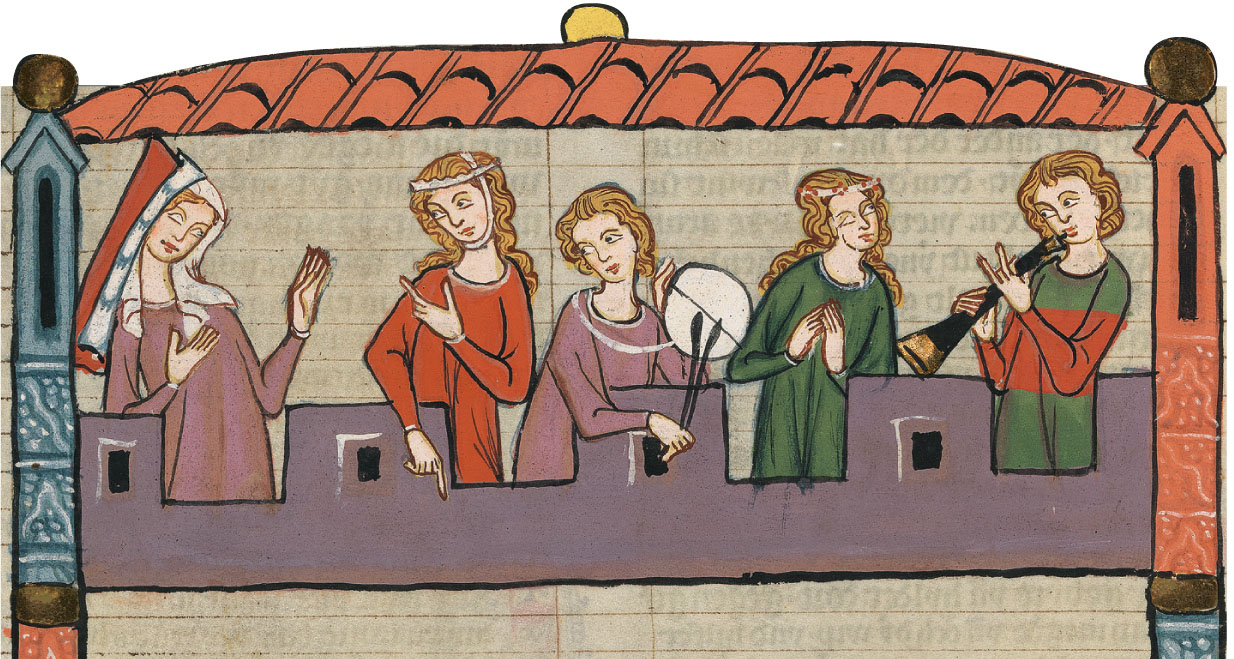
I started my querying journey looking for comp titles, and quickly realized that there, uh, weren’t any. There are medieval romance novels out there (shoutout to Emma Denny!) but none quite like what I’d written. Well, I thought, that was okay: I was doing something brand new! It would be even easier to sell because no one had done it before! No competition!
Like I said, I really should have seen this coming.
So I sat on that rejection a bit, stewing. Tried a couple smaller publishers – same answer. One suggested that I take the one aristocratic character in the book – a minor antagonist – and make him the hero instead, giving him a brother to fulfill the antagonist role and moving my current protagonists to B-plot status. “But you can’t do that!” said one of my beta readers, aghast, when I told her. “It’s not his story! It’s their story!” My thoughts were much the same. If a publisher or agent said to me, “look, your characters just aren’t compelling,” or “your prose isn’t grabbing us,” or “what’s with the subplot about competitive donkey breeding?” that’s something I could improve.
But “your characters’ identities are such that romance readers won’t want to read about them, and romance publishers won’t want to buy a book about them?” That’s not fixable. I didn’t want to fix it. It’s one thing to hear “your book’s not that good.” It’s quite another to hear “your book’s great! But peasants don’t sell.”
That, to me, is not acceptable.
The decision to self-publish didn’t come right away. I agonized on it for some time: I wanted to prove to myself that I’d written something worth publishing – or more specifically, I wanted someone else to affirm that it was worth publishing by, well, publishing it. It was a conversation with my therapist that turned me around. “When you write,” she asked me, “what’s your ultimate goal? Is it being recognized, or is it sharing your stories?” And the answer was: the latter. I have stories I want to tell. I think they matter. I think they have value. And if the path to sharing them isn’t what I envisioned at the start of this journey – well, I’m lucky to be writing in an era where self-publishing is booming like never before, and plenty of romance authors whose work is just too experimental, too outside the norm, or too un-marketable for the trad market are finding success publishing on their own terms.
I’m proud to be joining their ranks. I’m proud of the story I’ve written, of the stories that are yet to come. I’m proud to be a romance writer, who writes about peasants, because they have love stories worth telling and I’m not going to stop telling them.
The Blacksmith’s Bride comes out on August 13. It still feels a little surreal to type that, or to see it on websites like Kobo or Amazon. That’s me! I did that! In just a few months, the world will get to meet Elizabeth and Matthew and their friends and family, and I truly cannot wait.
I hope you love them as much as I do.
Follow Alison McKenzie on:
 HEA Canada: A CanLit Romance Hub